Ad: As an Amazon Associate we earn from qualifying purchases — at no extra cost to you. Learn more

Home Top Picks

10 Best Air Purifiers For Small Families of 2026

Best Value
#1

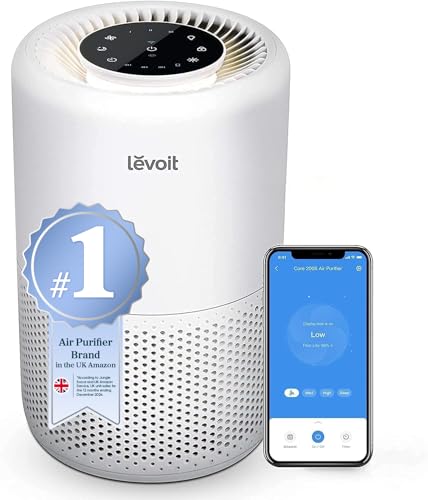
Excellent value for families needing certified, sensor-driven allergen and odor control.

#2

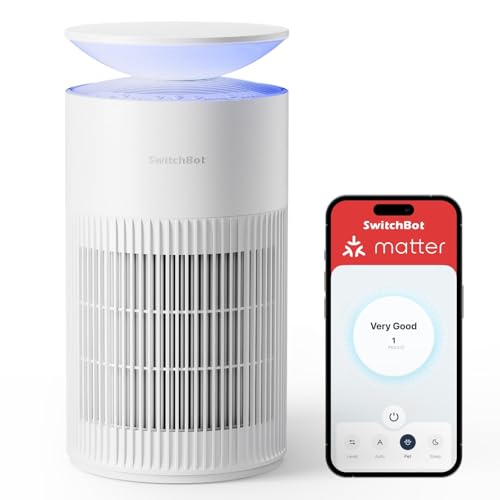
Good for sleepers who want quiet purification with aromatherapy.

#3

Perfect for smart-home users wanting quiet, reliable allergy relief.

#4

Good for energy-conscious families in medium-sized rooms.

#5

Great budget option for pet-friendly homes wanting smart, quiet purification.

Best Overall
#6

Best for allergy sufferers seeking certified, low-noise, energy-efficient purification.

#7

Suitable for small rooms or travellers wanting low-maintenance purification.

Best for Pets
#8

Perfect for pet households needing powerful, pet-safe air cleaning.

Best for Large Rooms
#9

Ideal for large open-plan rooms needing fast, affordable purification.

Best Overall
#10

Best for families wanting purification plus humidifying and aroma features.

Buying Guide

Room size and CADR

Match the purifier’s clean air delivery rate (CADR) and recommended room size to the rooms you’ll use it in. For a small family, look for a unit rated for your living room or combined open-plan space so it can achieve several air changes per hour and actually reduce pollutants.

Filter type and ongoing costs

Choose a purifier with a true HEPA (H13 or H14) filter plus an activated‑carbon layer for gases and odours; avoid models that only use electrostatic or vague ‘HEPA‑type’ claims. Check replacement filter prices and expected life (often 6–12 months) so you’re not surprised by running costs.

Noise levels and night operation

Noise varies widely between models and fan speeds - look for quoted decibel levels or user reviews, and a quiet ‘night’ or ‘sleep’ mode if you’ll run it overnight in a child’s bedroom. Lower fan speeds are quieter but reduce cleaning rate, so ensure the unit can still provide good coverage at reasonable noise.

Smart features, sensors and controls

Decide if you want auto modes, built‑in sensors for PM2.5/PM10 and VOCs, app control or compatibility with smart home systems. Smart sensing and auto mode can keep running costs and noise down by adjusting fan speed to real‑time pollution levels.

Energy use and maintenance

Look for energy‑efficient models and check power consumption at typical operating speeds, especially if you plan to run the purifier long hours. Consider ease of filter replacement, filter availability in the UK and whether pre‑filters are washable to save money.

Frequently Asked Questions

What is the best air purifier in 2026?
There’s no single ‘best’ for everyone; for small families in the UK, prioritise a unit with a true HEPA H13/H14 filter, an activated carbon stage and CADR matched to your main living area. Leading choices across budgets include premium options from Dyson and Philips, and budget/value models from Levoit and Blueair - available from retailers such as John Lewis, Argos and Amazon UK.
Is an air purifier worth buying in the UK?
Yes for households with allergies, asthma, pets, or exposure to traffic pollution or seasonal wood‑smoke, as purifiers reduce airborne particles and some gases. They are less useful as a replacement for ventilation - you should still ventilate rooms to reduce indoor humidity and CO2.
Which air purifier offers the best value for money?
Budget models from brands like Levoit often give the best value, offering true HEPA filtration and modest running costs for around £80–£150. If you want faster cleaning or extra smart features, mid‑range Philips or Blueair units may offer better cost‑to‑performance for larger rooms.
Dyson vs Philips - which should I buy?
Dyson models are typically premium: distinctive design, strong airflow and integrated sensors, but higher purchase and filter costs. Philips tends to offer competitive CADR per pound with solid sensors and app support, so choose Dyson for design and airflow, Philips for performance per cost.
How large a purifier do I need for a small family home?
Check the manufacturer’s recommended room coverage and CADR; for a typical small living room (about 15–25 m²) choose a unit rated for that size or larger, aiming for multiple air changes per hour. If you’ll use it in several rooms, consider a slightly higher capacity or one per frequently used room.
Do air purifiers remove viruses and bacteria?
True HEPA filters capture many respiratory droplets and fine particles that can carry viruses and bacteria, reducing airborne exposure, but they do not sterilise surfaces or provide complete protection. Some units add technologies like UV or PECO, but evidence is mixed; stick to reputable HEPA filtration for reliable particle removal.
How often do I need to change filters and how much will it cost?
Typical main HEPA filters last 6–12 months depending on use and pollution levels; carbon pre‑filters may need replacing more frequently. Replacement filters usually cost from around £20 for budget brands up to £60–£100 for premium models, so factor that into the total cost of ownership.
Can I run an air purifier all day?
Yes - continuous operation is common and useful for allergy control, but be mindful of energy use and noise. Use auto or eco modes if available to minimise power consumption while maintaining good air quality.
What is the best air purifier for small families in 2026?
For small families prioritise a unit with true HEPA H13/H14, an activated‑carbon stage and a CADR rated for your living room (so it can achieve multiple air changes per hour). Examples: Dyson Purifier models offer strong airflow and integrated sensors for open‑plan spaces; Philips Series 3000i models balance CADR, app control and running costs; Levoit Core models give HEPA filtration at a lower price.
Is an air purifier worth it in 2026?
Yes if you have allergies, asthma, pets, or live near traffic or where wood‑smoke is a seasonal issue - HEPA plus carbon filtration measurably reduces particulate and some gaseous pollutants. They’re less effective than ventilation for CO2 control, so use purifiers alongside good ventilation practices.
Dyson Purifier vs Philips Series 3000i - which should I buy?
Choose Dyson if you want premium design, strong airflow and a focus on quiet performance at higher speeds; choose Philips Series 3000i if you prefer slightly better value, competitive CADR per £ and comprehensive app/sensor control. Both offer HEPA H13 filtration and activated carbon, so base your choice on budget, noise preference and aesthetic.
Which air purifier is best value for money in the UK?
Budget HEPA models such as the Levoit Core range represent strong value - they provide true HEPA filtration, low running costs and affordable replacement filters, often retailing around £80–£150. For larger rooms or extra smart features, mid‑range Philips or Blueair models usually offer the best performance‑to‑price balance.

Our Methodology

Product Selection: Products are sourced via Amazon's Product Advertising API based on relevance, availability, and customer ratings.

Review Analysis: We use AI to analyze customer review trends, identify common themes, and summarize the key strengths and weaknesses of each product.

Scoring Independence: Our rankings and fit scores are generated algorithmically and are not influenced by commission rates or advertising relationships.

Affiliate Disclosure: We earn commissions from qualifying Amazon purchases made through our links at no additional cost to you.

Last updated: June 5, 2026

Related Top Lists

Similar Products

When you reach this section we fetch a fresh list of related deals.

Scroll down a bit more to load similar products.

Amazon Associates Disclosure

TheDailyVerdict is a participant in the Amazon EU Associates Programme, an affiliate advertising programme designed to provide a means for sites to earn advertising fees by advertising and linking to Amazon.co.uk. We earn commissions from qualifying purchases made through our affiliate links at no additional cost to you.

TheDailyVerdict

Independent product verdicts backed by data. We analyze reviews, compare specs, and help you avoid common buying mistakes.

Amazon, Amazon Prime, the Amazon logo and Amazon Prime logo are trademarks of Amazon.com, Inc. or its affiliates. Product links direct to Amazon.co.uk.

Product prices and availability are accurate as of the date/time indicated and are subject to change. Any price and availability information displayed on Amazon.co.uk at the time of purchase will apply to the purchase of this product.

© 2026 TheDailyVerdict. All rights reserved.