Home Top Picks

10 Best Commercial Stand Mixer of 2026

#1

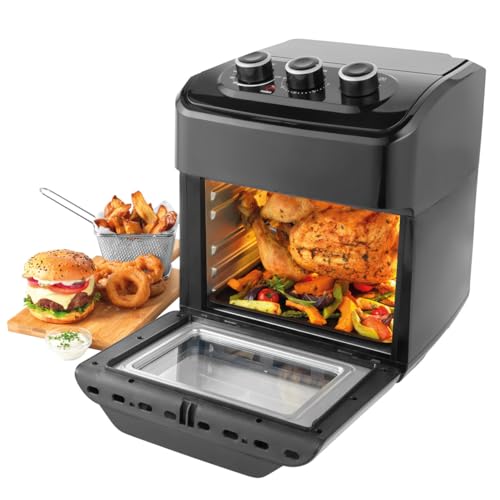
Good value for bakeries needing affordable, larger small-batch capacity.

#2

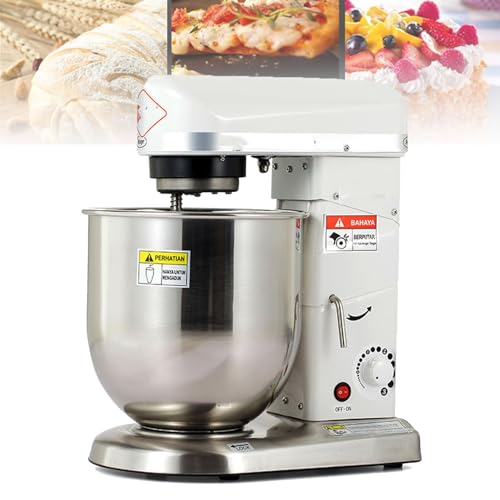
Best for compact commercial prep stations or light-duty tasks.

#3

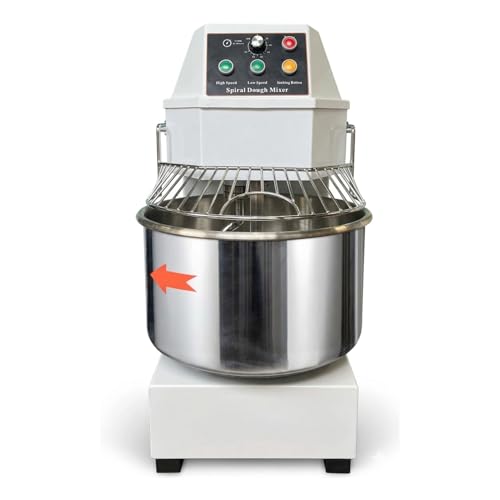
Suitable for small cafés, pizzerias, or light commercial use.

#4

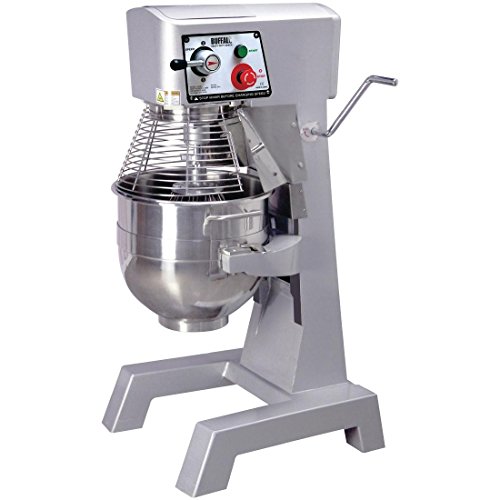
Good budget commercial option for cafes and small bakeries.

#5

Suited to bakeries needing reliable, compact KitchenAid performance.

Best Premium
#6

Great for professionals wanting compact, premium mixing performance.

Best Value
#7

Best for bakeries needing high-capacity, fast, heavy-duty dough mixing.

#8

Great for businesses prioritising fast, high-torque dough production.

Best Mid-Size
#9

Ideal for medium commercial kitchens needing dependable mid-size mixing.

Best Overall
#10

Best for high-volume kitchens needing reliable heavy-duty mixing.

Buying Guide

Capacity and bowl size

Choose a bowl size that matches the quantities you regularly make - small cafés and artisan bakeries usually need 10–30 litres, while larger production kitchens require 30 litres or more. Over‑sizing wastes energy and space, while under‑sizing will force repeated batches and slow service.

Motor power and duty cycle

Look at motor wattage and the rated duty cycle: commercial models have stronger motors and are rated for continuous or heavy intermittent use, unlike domestic mixers. A higher continuous duty rating and robust motor mean the machine will cope with dense doughs and long shifts without overheating.

Build quality, drive type and attachments

All‑metal construction, planetary mixing action and reputable gearing or direct‑drive systems last longer under commercial loads. Also check compatibility and availability of attachments (dough hook, paddle, whisk and optional cutters/rollers) to avoid being limited in what you can produce.

Power, installation and safety

Confirm the power requirements - some commercial mixers need three‑phase supply or a dedicated single‑phase circuit - and ensure the mixer meets UK safety standards (UKCA/CE where applicable). Consider footprint, weight and whether a bowl‑lift or tilt‑head design suits your workspace and staff.

Service, warranty and total cost of ownership

A low purchase price can be undermined by costly repairs, scarce spare parts or poor local support, so choose brands with an authorised UK service network and clear warranty terms. Factor in expected lifespan, maintenance and energy use to estimate true cost over several years.

Frequently Asked Questions

What is the best commercial stand mixer in 2026?
There isn’t a single best model for everyone in 2026 - the right mixer depends on your volume, ingredients and budget. Hobart remains the go‑to for heavy, high‑volume bakeries thanks to rugged geared drives, while mid‑size bakeries and cafés often favour robust Kenwood or Varimixer commercial models for a balance of performance and cost; always match motor power, bowl capacity and duty cycle to your needs.
Is a commercial stand mixer worth buying in the UK?
Yes, if you bake frequently or in volume: commercial mixers are built for long duty cycles, handle heavy doughs and reduce staff time compared with domestic machines. For infrequent home baking a prosumer model may suffice, but for cafés, bakeries or catering the investment typically pays back through reliability and throughput.
Which commercial stand mixer offers the best value for money?
Best value usually comes from mid‑range commercial machines that combine a durable all‑metal build, a motor sized for your typical batch and a reputable UK service network. Brands like Kenwood Commercial or Varimixer often represent good value for small to medium operations, while Hobart offers long‑term value for high‑volume sites despite higher upfront cost.
Hobart vs Kenwood - which should I buy?
Choose Hobart if you need a heavy‑duty, long‑lasting machine for continuous high‑volume production - they use heavy gearing and strong motors. Kenwood commercial models suit smaller bakeries and patisseries where versatility, attachments and lower initial cost matter; think about your throughput and service access in the UK before deciding.
How much does a commercial stand mixer cost in the UK?
Prices vary widely: light commercial/bench mixers start around £500–£1,500, robust mid‑range machines are typically £1,500–£4,000, and heavy production floor mixers (Hobart class) can cost £4,000–£10,000 or more. Always include installation (electrical), accessories and a maintenance plan when budgeting.
Can I use a domestic mixer for commercial use?
Domestic mixers are not designed for continuous commercial use and may overheat or fail quickly under heavy loads; using them in a business can void warranties and increase downtime. For occasional, very light commercial tasks you might get away with a prosumer machine, but for reliable daily service you should invest in a true commercial model.
Do commercial mixers need three‑phase power?
Some commercial mixers - especially larger floor models - require three‑phase power to deliver the torque they need, while many bench‑top commercial mixers run on single‑phase 220–240V. Check the electrical requirements before purchase and consult a qualified electrician for installation.
Where can I buy and service commercial stand mixers in the UK?
Major UK catering suppliers such as Nisbets, Randall and online marketplaces (including authorised dealers on Amazon UK) stock commercial mixers, and brands often sell through specialist distributors. For service and spare parts, use authorised service centres listed by the manufacturer to keep warranties valid and ensure genuine parts.
What is the best commercial stand mixer for a small bakery in 2026?
For a small bakery, a 20–30 litre planetary mixer with a 1–2 kW continuous‑duty motor, all‑metal construction and bowl‑lift design is ideal; it handles doughs and batters without repeated batches. Models from Kenwood’s commercial range or Varimixer offer this mix of capacity, attachments and UK service support, making them practical choices.
Is buying a commercial stand mixer worth it in 2026?
Yes for businesses that mix daily: commercial mixers provide higher torque, longer duty cycles and replaceable parts that reduce downtime and long‑term costs compared with domestic machines. If your weekly batch sizes exceed what a prosumer machine can handle, the increased throughput and reliability usually justify the investment.
Hobart vs Kenwood - which commercial stand mixer should I buy?
Pick Hobart for heavy, continuous production - its geared drives and high‑torque motors are built for long runs and dense doughs; choose Kenwood if you need versatility, a lower entry cost and excellent patisserie performance. Consider your daily throughput, available power (three‑phase vs single‑phase) and proximity to authorised UK service when deciding.
Which commercial stand mixer is best value for money in the UK?
Best value is usually a mid‑range commercial mixer that combines a robust motor (around 1–2 kW), stainless steel bowl and good local aftercare; this balances purchase price with reliability. In the UK market, mid‑range offerings from Kenwood Commercial or Varimixer typically hit that sweet spot between affordability, capability and spare‑parts availability.

Our Methodology

Product Selection: Products are sourced via Amazon's Product Advertising API based on relevance, availability, and customer ratings.

Review Analysis: We use AI to analyze customer review trends, identify common themes, and summarize the key strengths and weaknesses of each product.

Scoring Independence: Our rankings and fit scores are generated algorithmically and are not influenced by commission rates or advertising relationships.

Affiliate Disclosure: We earn commissions from qualifying Amazon purchases made through our links at no additional cost to you.

Last updated: June 25, 2026

Related Top Lists

Similar Products

When you reach this section we fetch a fresh list of related deals.

Scroll down a bit more to load similar products.

As an Amazon Associate I earn from qualifying purchases.

TheDailyVerdict is a participant in the Amazon EU Associates Programme, an affiliate advertising programme designed to provide a means for sites to earn advertising fees by advertising and linking to Amazon.co.uk. We earn commissions from qualifying purchases made through our affiliate links at no additional cost to you.

TheDailyVerdict

Independent product verdicts backed by data. We analyze reviews, compare specs, and help you avoid common buying mistakes.

Amazon, Amazon Prime, the Amazon logo and Amazon Prime logo are trademarks of Amazon.com, Inc. or its affiliates. Product links direct to Amazon.co.uk.

Product prices and availability are accurate as of the date/time indicated and are subject to change. Any price and availability information displayed on Amazon.co.uk at the time of purchase will apply to the purchase of this product.

© 2026 TheDailyVerdict. All rights reserved.